The Red Heifer
The best place to begin is not with headlines or speculation, but with the biblical text itself.
What happens in Numbers 19?
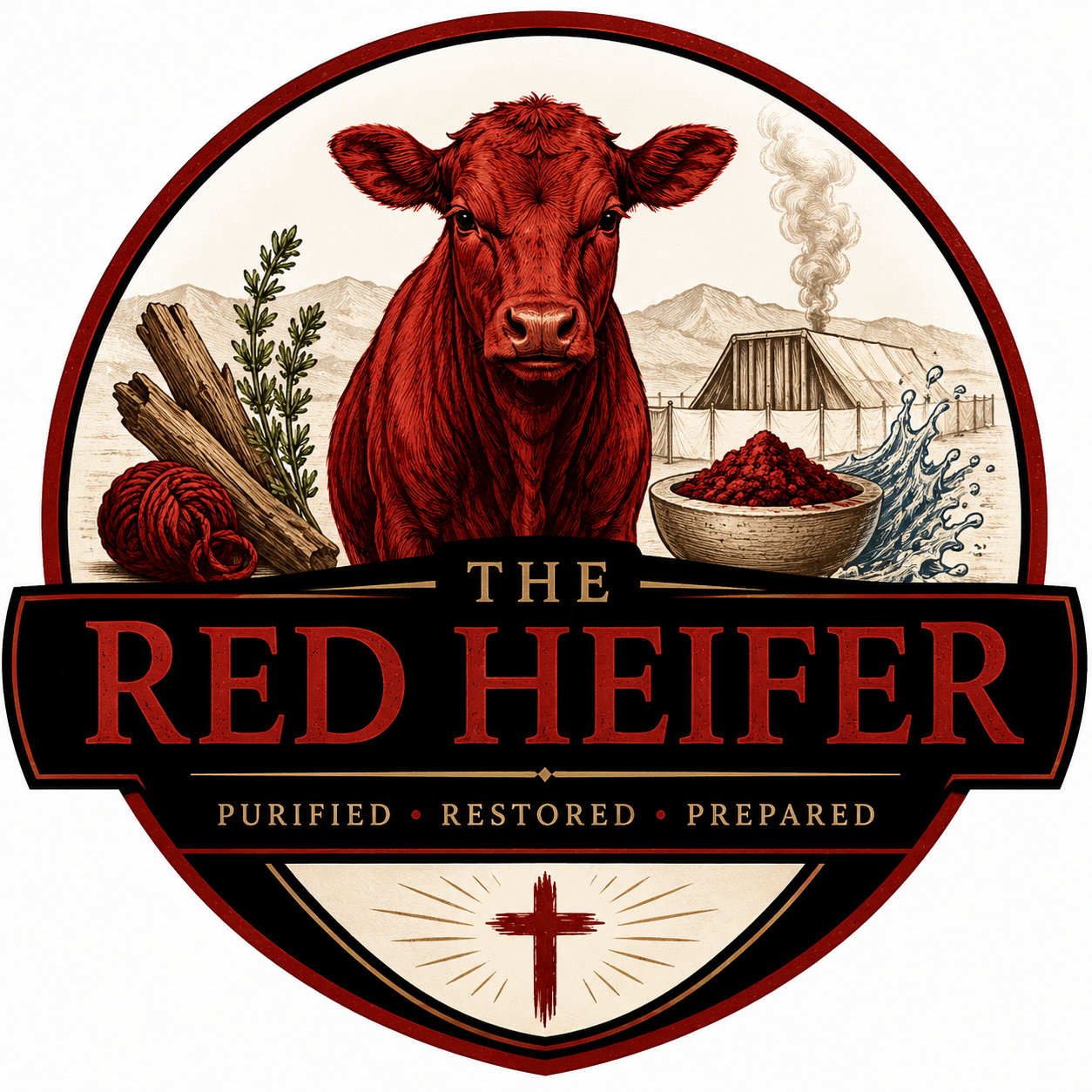
Numbers 19 describes a purification rite centered on an unblemished red heifer. The animal is taken outside the camp and slaughtered. It is then burned together with cedar wood, hyssop, and scarlet material. Its ashes are preserved and later mixed with water for purification.
The ritual is especially connected with contact with human death. A corpse, a grave, human bones, or death within a tent could leave a person ceremonially unclean for a period of time.
Why death matters
That repeated connection with death is one of the most important features of the chapter. Numbers 19 is not simply describing a strange ancient ritual; it is placing death in tension with the presence and holiness of God.
This gives us a doorway into a larger biblical question: how does God restore people who live in a world marked by sin, corruption, and death?
Questions worth asking
- Why is contact with death associated with uncleanness?
- Why are ashes mixed with water?
- How does this rite fit within Israel's sanctuary system?
- What connections does the New Testament make between purification and Christ?
- How should Hebrews inform our reading of Old Testament cleansing?
How we approach the passage
We try to say clearly what the text teaches and to be equally clear when we move into interpretation. Adventist theology, Ellen G. White, history, and scholarship can all help us see the larger picture, but none of them gives us permission to make the text say whatever we want it to say.
The purpose of studying the red heifer is not to search for a hidden code. It is to understand its place within the biblical story of holiness, death, cleansing, Christ, and restoration.